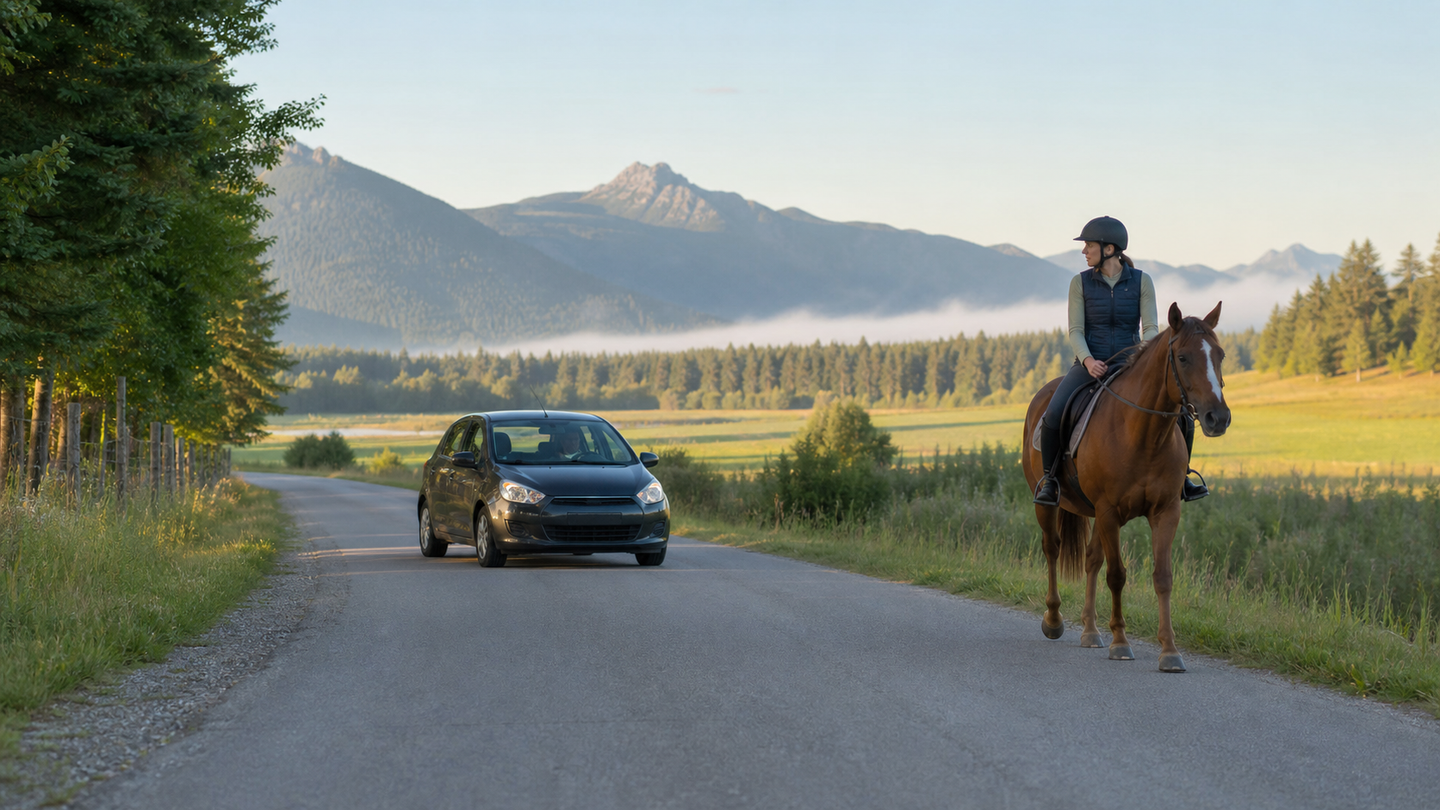
How should a BC learner drive near a horse and rider?
Slow well before reaching a horse, stay back until there is clear space, pass slowly and widely, and avoid noise or sudden acceleration that could startle the animal.
Read guideSource-aware BC driving guides, rental driving tips, ICBC knowledge-test guidance, and multilingual learner explanations from BCDLT.
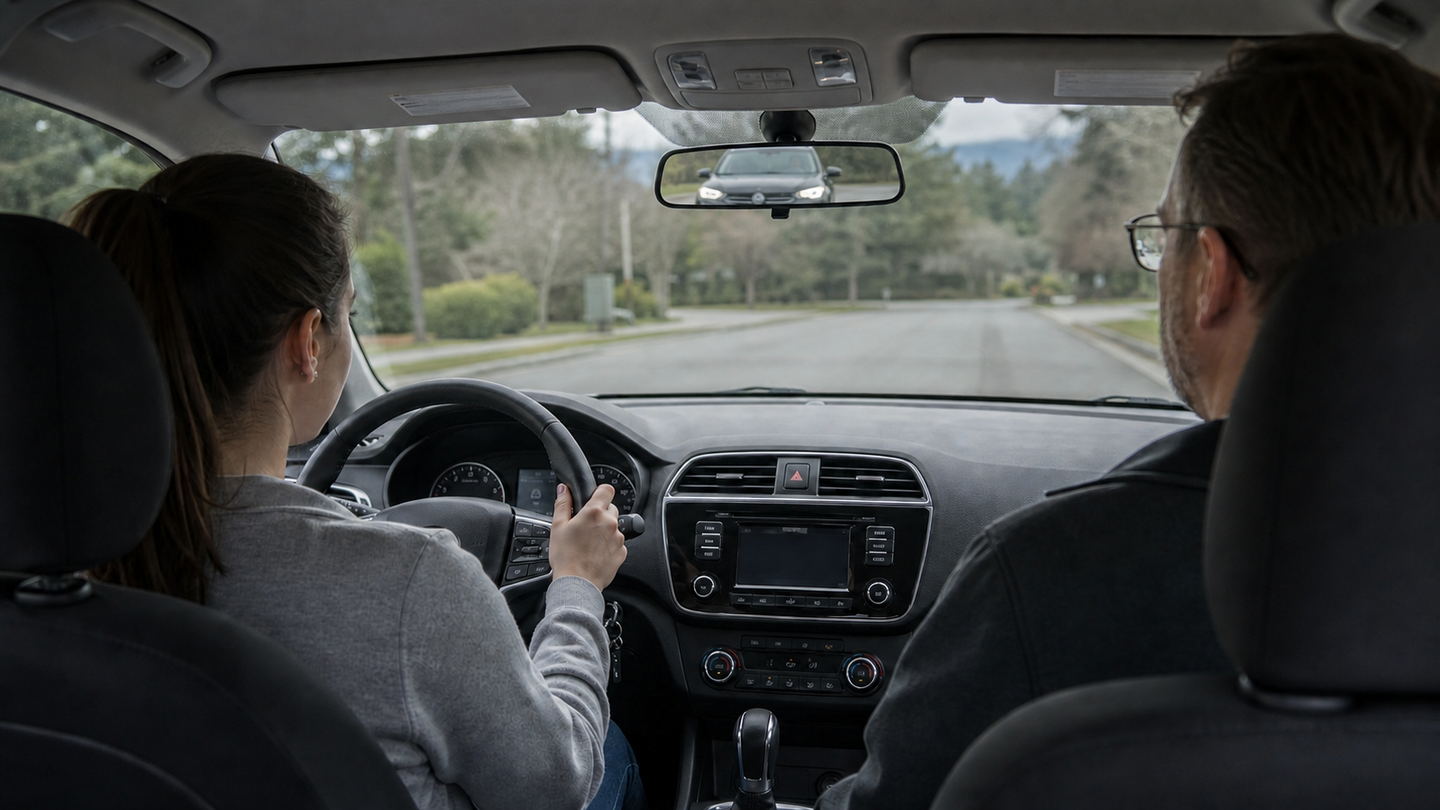
Slow well before reaching a horse, stay back until there is clear space, pass slowly and widely, and avoid noise or sudden acceleration that could startle the animal.
Read guide
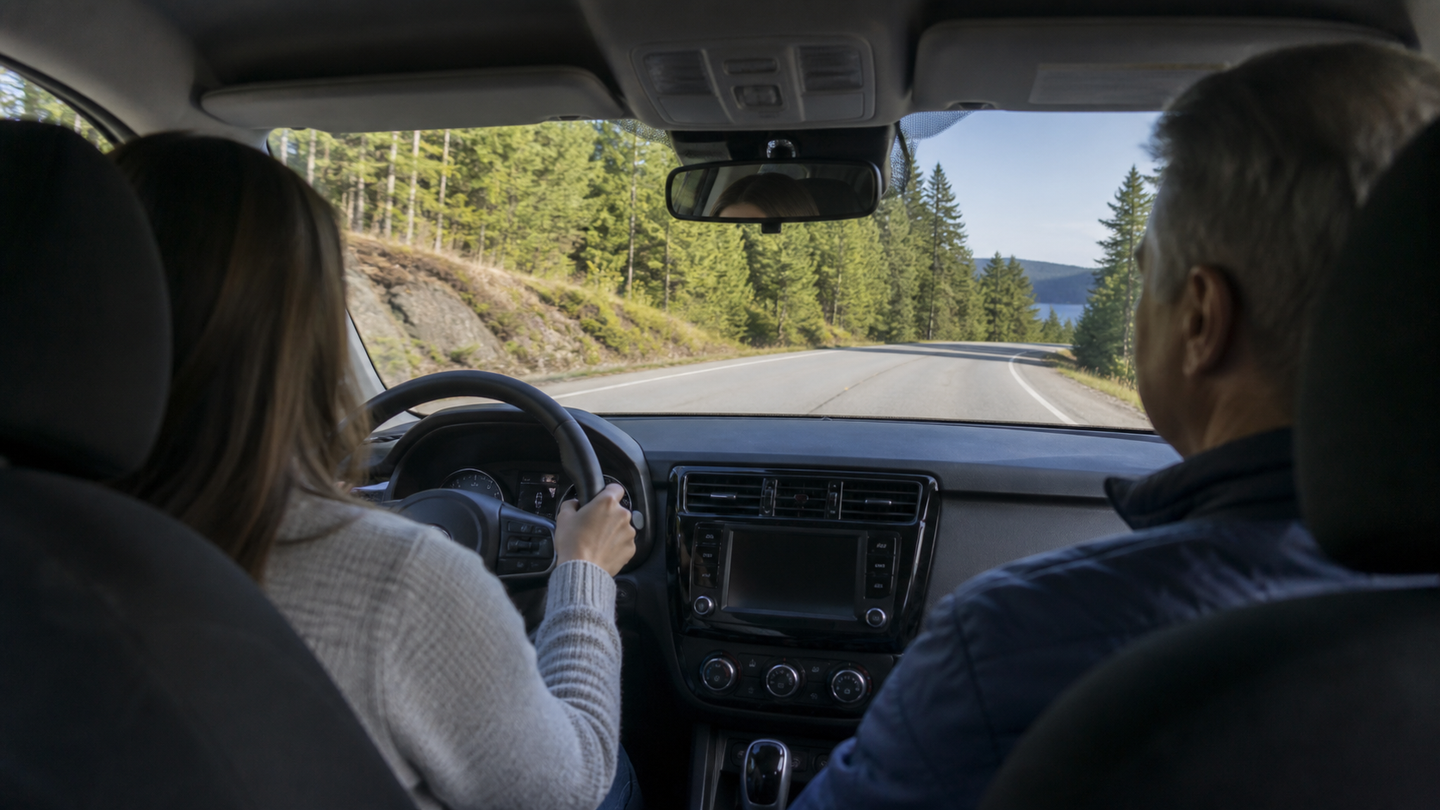
Do not speed up or brake-check a tailgater. Keep a steady, appropriate speed, add space ahead, and change lanes or pull over only at a safe opportunity.
Read guide
For a smooth curve, reduce speed before turning, look through the bend, hold a steady lane position, and add speed gently only as the road begins to open.
Read guide
A road-test result is most useful when the learner converts it into two or three practice targets instead of repeating the same route and hoping for a different outcome.
Read guide
A good supervised-practice plan mixes quiet starts, real traffic judgment, reflection after each drive, and road-test habits before the learner books a test.
Read guide
A good learner driver knows that the safest driving choice may be to pause before the car moves.
Read guide
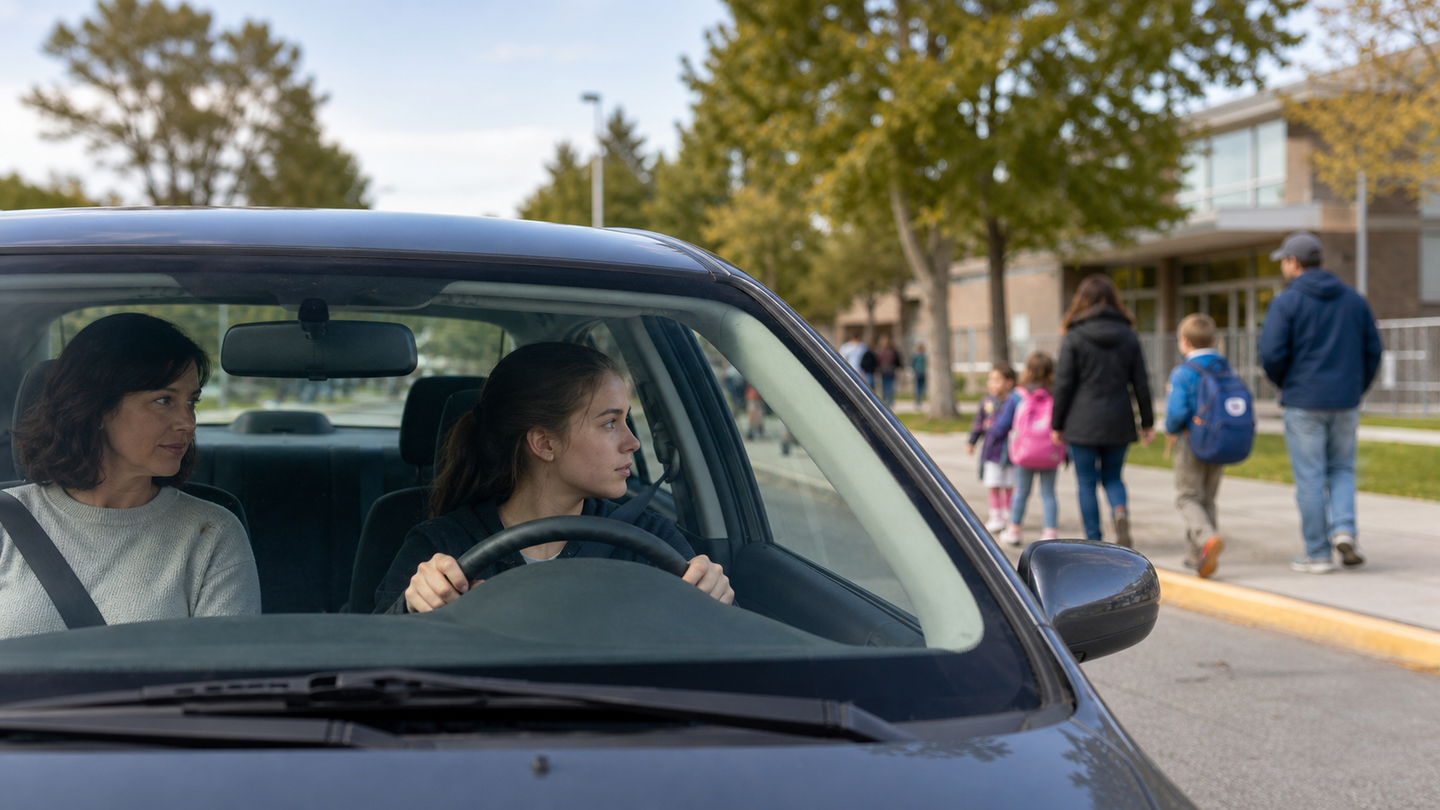
Near schools and playgrounds, the safest learner driver is already looking for movement before the hazard is obvious.
Read guide
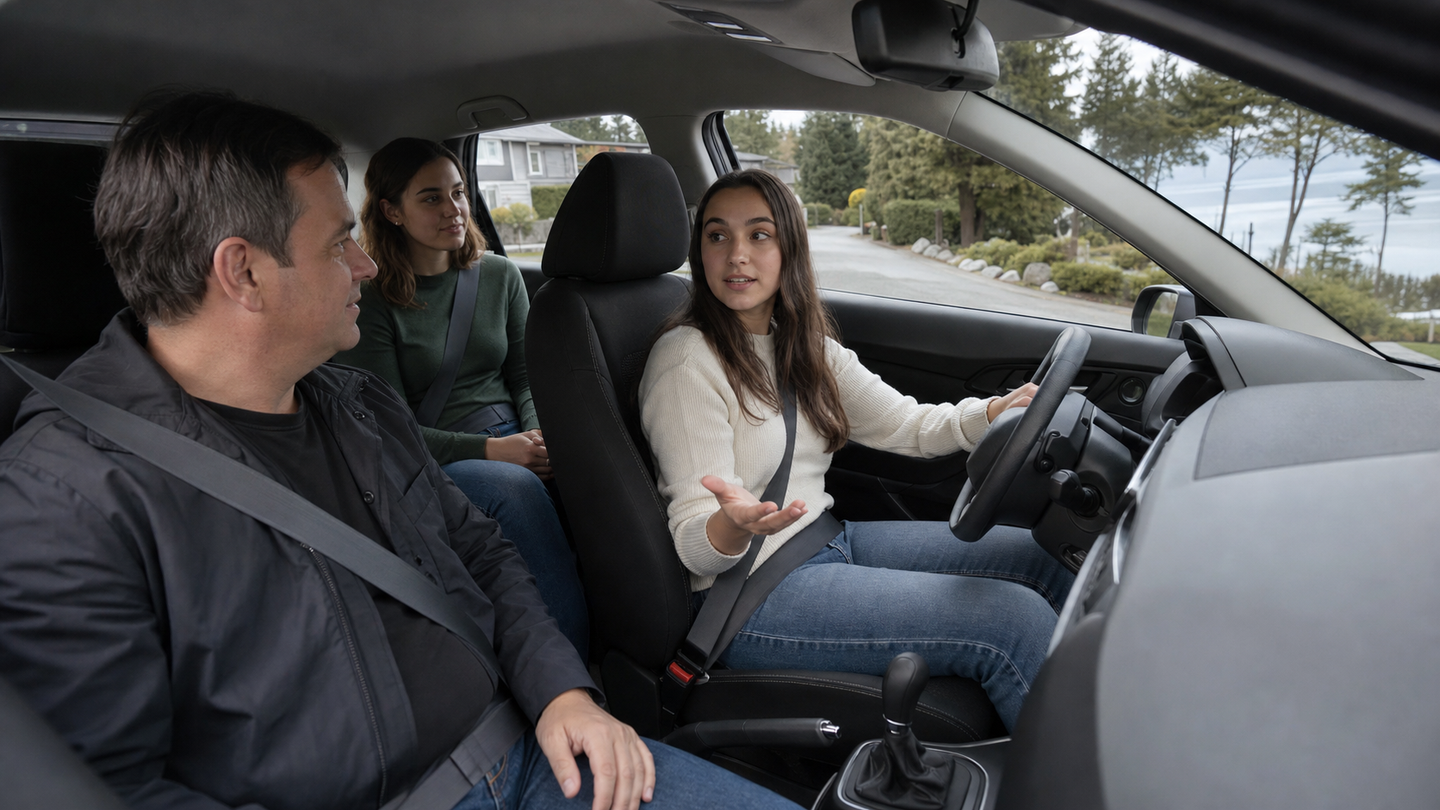
Agree on a quiet-car rule before moving, ask passengers to handle navigation without constant commentary, and pull over in a safe place if conversation or behaviour is taking your attention from the road.
Read guide
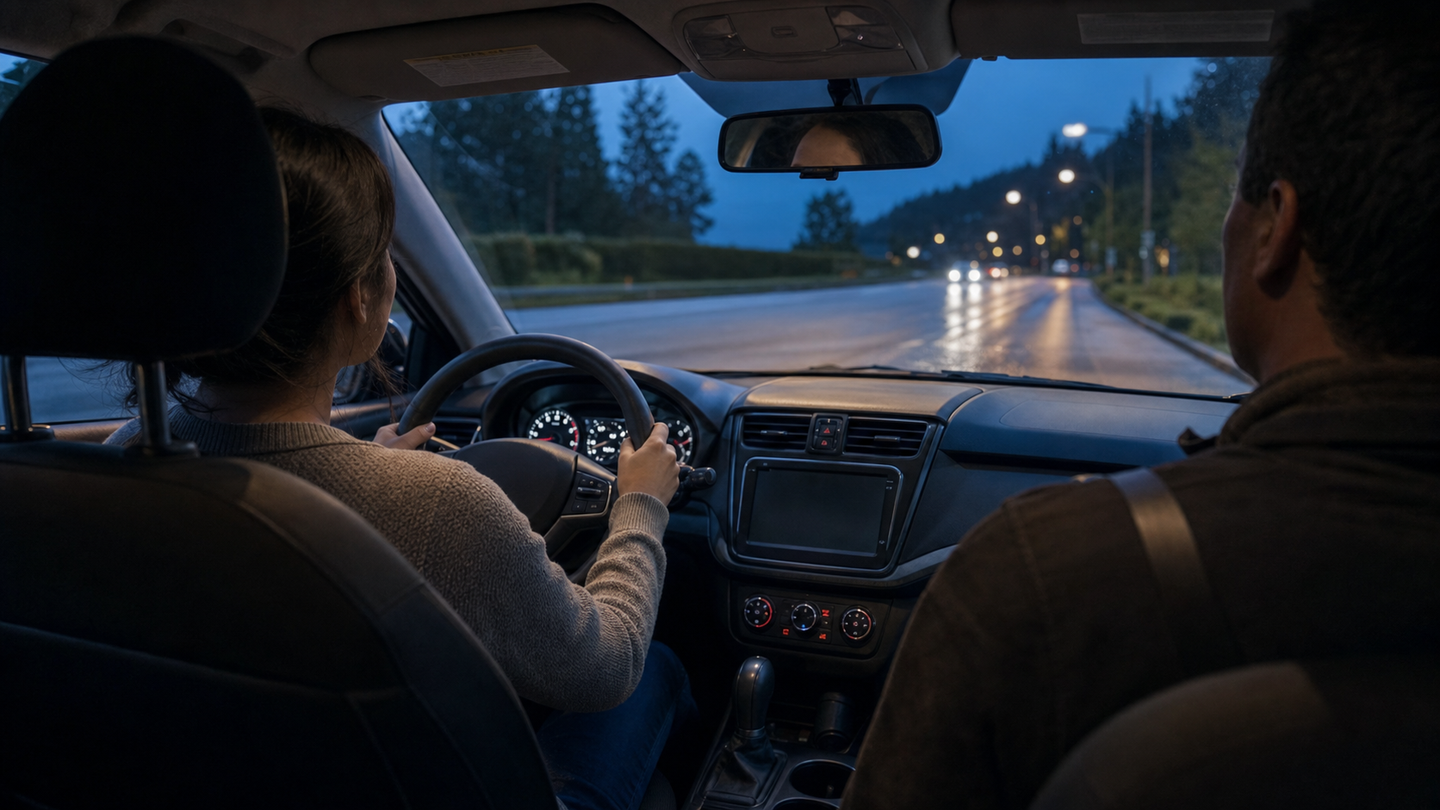
At night, reduce speed before visibility becomes a problem, scan beyond the brightest lights, use the right edge of your lane as a reference when facing glare, and leave a larger space margin.
Read guide
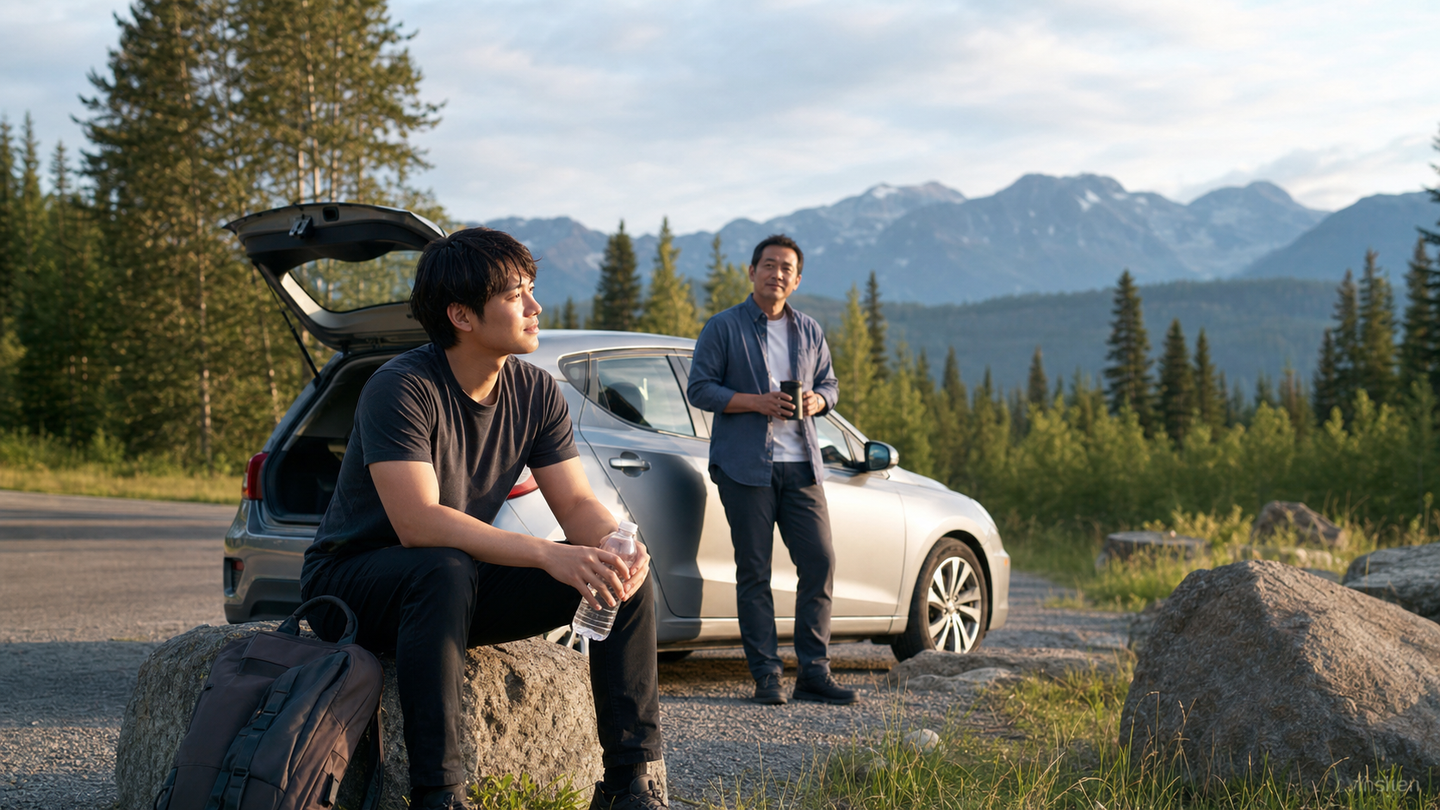
Drifting within the lane, changing speed, missing recent memories, blurred focus, yawning, and heavy eyes are signals to stop driving safely—not problems to push through.
Read guide
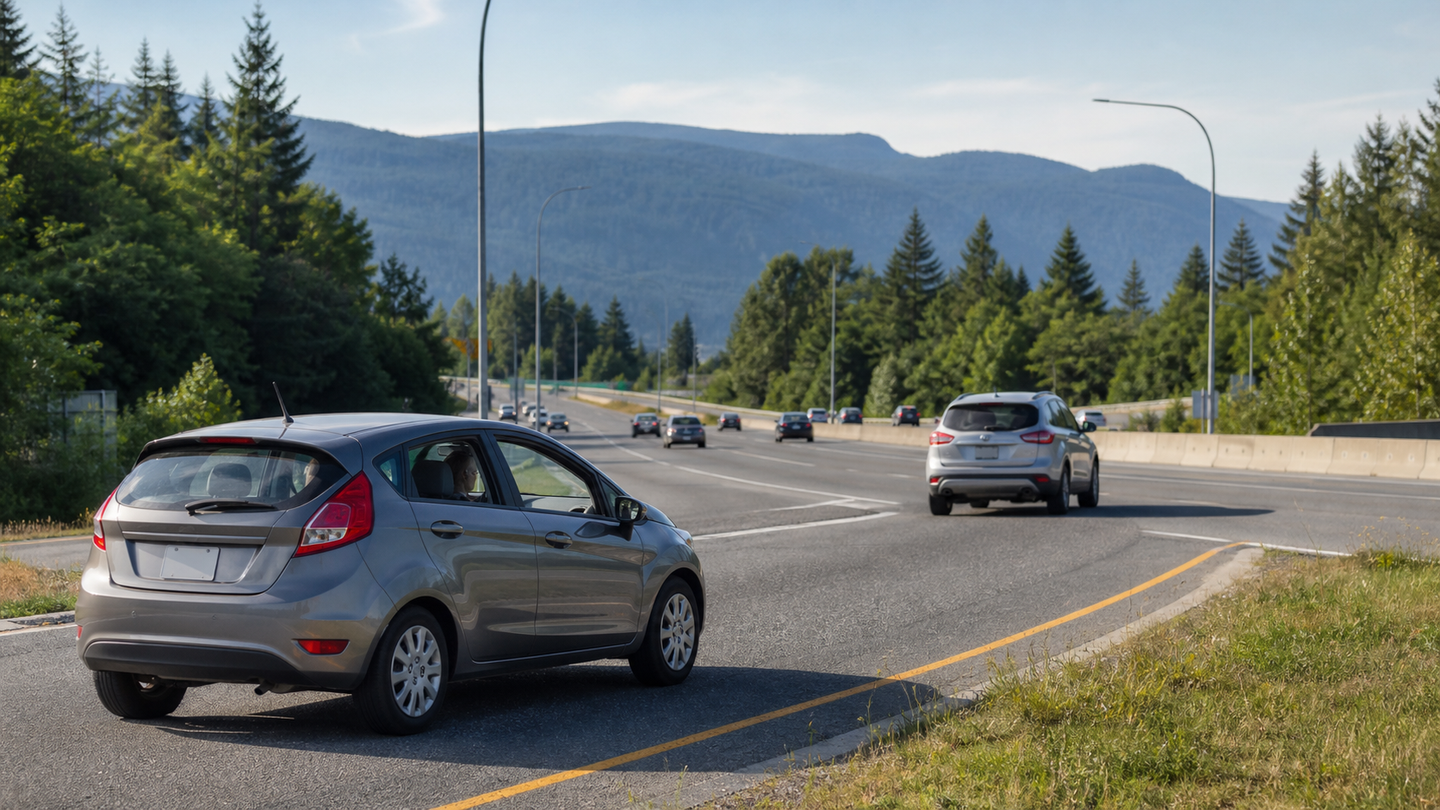
Use the whole entrance lane to build an accurate picture of traffic, match its flow within the limit, confirm your blind spot, and enter a gap with space ahead and behind.
Read guide
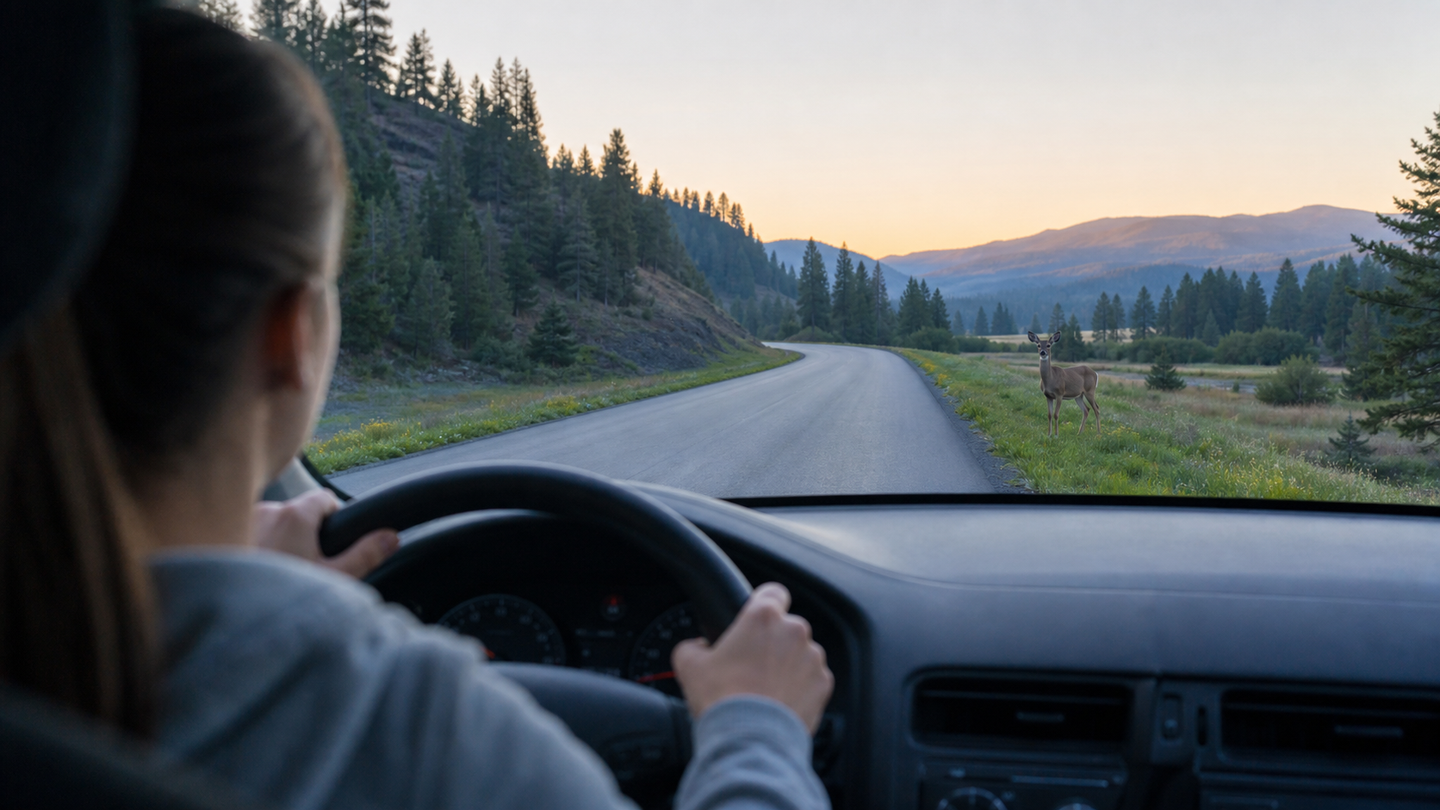
Wildlife risk often begins beside the pavement. Slow early, widen your scan, and keep enough space to brake smoothly if an animal moves toward the road.
Read guideTurn the guide into questions, reviews, and mock-test repetition where it applies.